Ten AI websites can now do work that used to need a freelancer, an agency, or a lost afternoon: deep research, voiceovers, video, pitch decks, branded images, even original music. They feel illegal because each one squeezes hours of skilled work into a few minutes, and most are free or close to it. Below are 10 AI websites that feel illegal to use in 2026, plus the one thing the viral lists never tell you.
We build AI systems for small and mid-sized companies, so we picked these by a different test than most "best tools" posts. Not which ones demo well. Which ones still earn their place after a client has used them for a month. Every entry below has a clear job it replaces, and a rough sense of what that job used to cost.
The last one is very underrated, let's dive in.
1. Perplexity
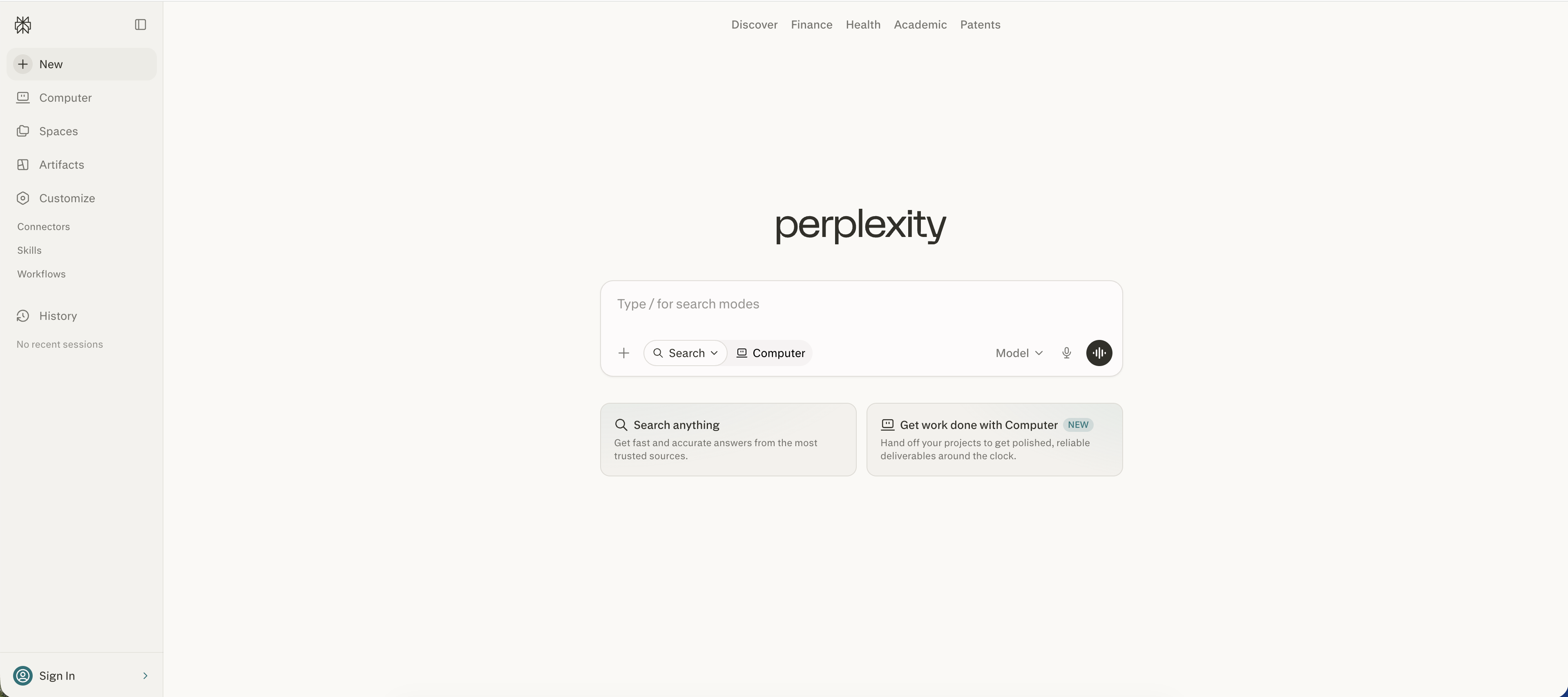
Ask a messy question in plain English and get a straight answer with its sources attached. "Summarise the 2026 EU AI Act obligations for a 20-person marketing firm" comes back in about 20 seconds, with links you can check.
It feels illegal because it kills the tab-juggling. No ten blue links, no skim-five-articles-and-hope. Replaces: the first hour of almost any research job, or the junior who used to do it. We use it for vendor checks and compliance first-passes every week. One rule: always click the citations before you trust a number.
2. NotebookLM
Google's quiet one. Upload your own files, a stack of contracts, your SOPs, a 200-page report, and it becomes an assistant that only knows those documents. Ask "what are the renewal dates and the penalty clauses," and it answers with a pointer to the exact page.
It can also turn that pile into a short audio summary you can listen to on a walk. For a business sitting on years of PDFs nobody reads, this is the closest thing to hiring someone to actually read them. It costs nothing.
3. Claude
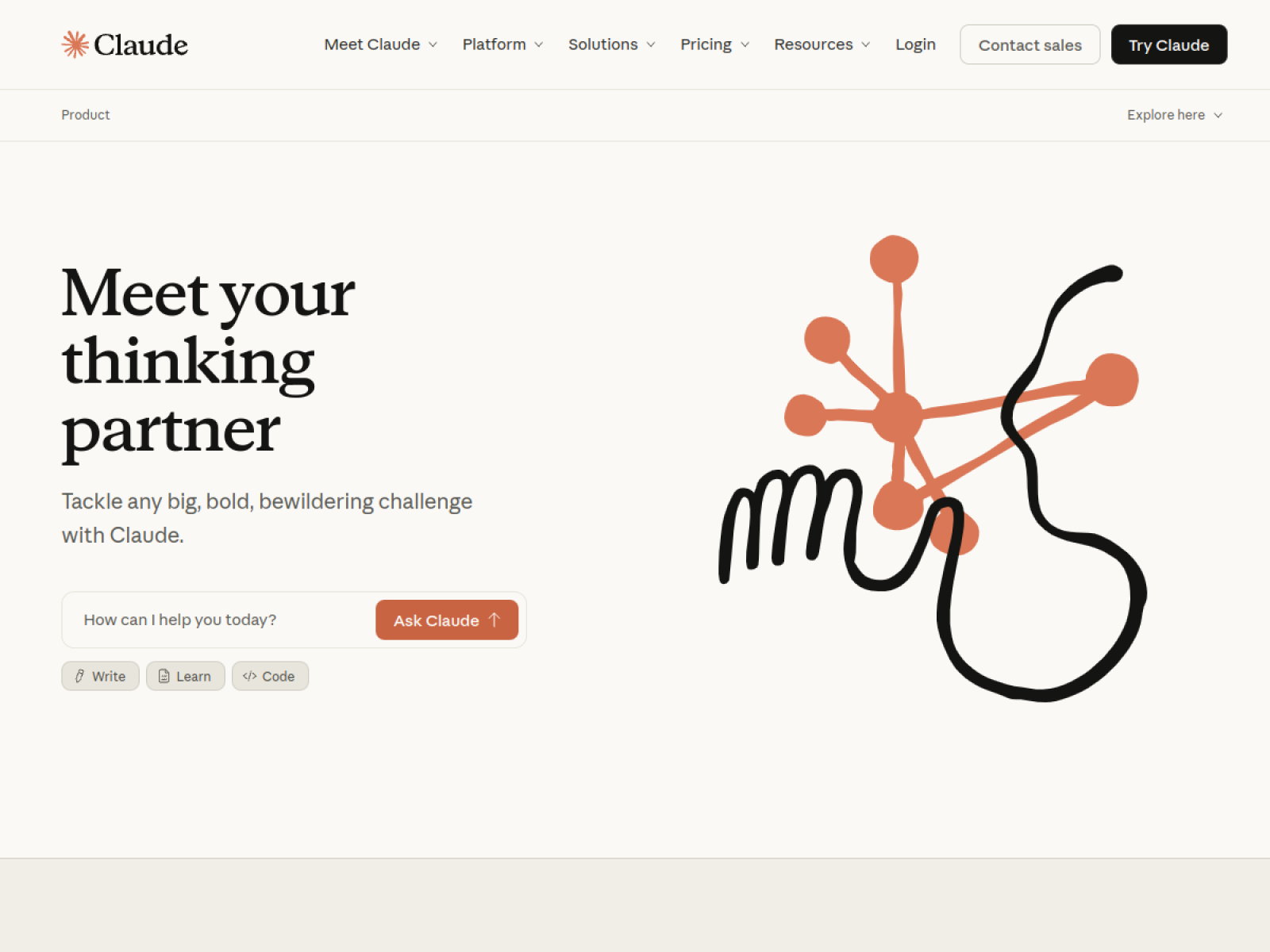
Yes we all know this one but it just has to be on the list. Claude is the one that stays coherent across a 40-page document and a vague brief, and gives you a structured plan instead of a shrug.
Hand it your messy notes and ask for a first draft of a proposal, a policy, or a project plan, and what comes back is usually 80% there. It feels illegal the first time it reads a contract you've been avoiding and explains the risky bits in plain language. Replaces: the "I'll deal with that once I've read all of it" tax that quietly eats your week.
4. Gamma
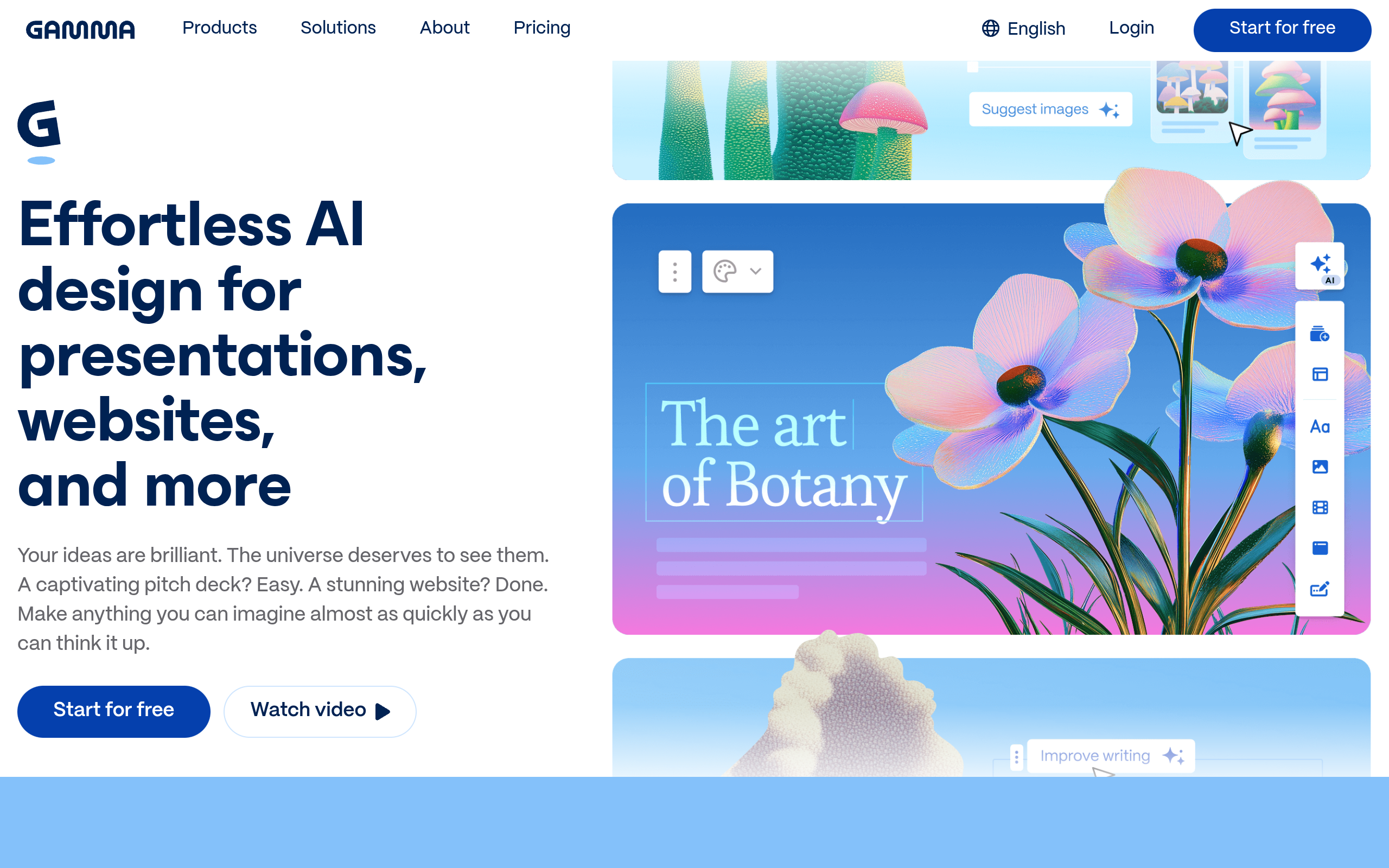
Type a rough outline, get a finished deck. Gamma turns a few bullet points into a presentation that looks like someone in your brand colours spent the afternoon on it, and it does one-page websites too.
A sales deck in the time it takes to make coffee is a strange feeling the first time. Replaces: a weekend lost in slides, or the €400 you'd pay a freelancer for a tidy pitch. It won't out-design a real studio for your flagship investor deck. For the other 90% of decks nobody remembers a week later, it's more than enough.
5. Notion AI
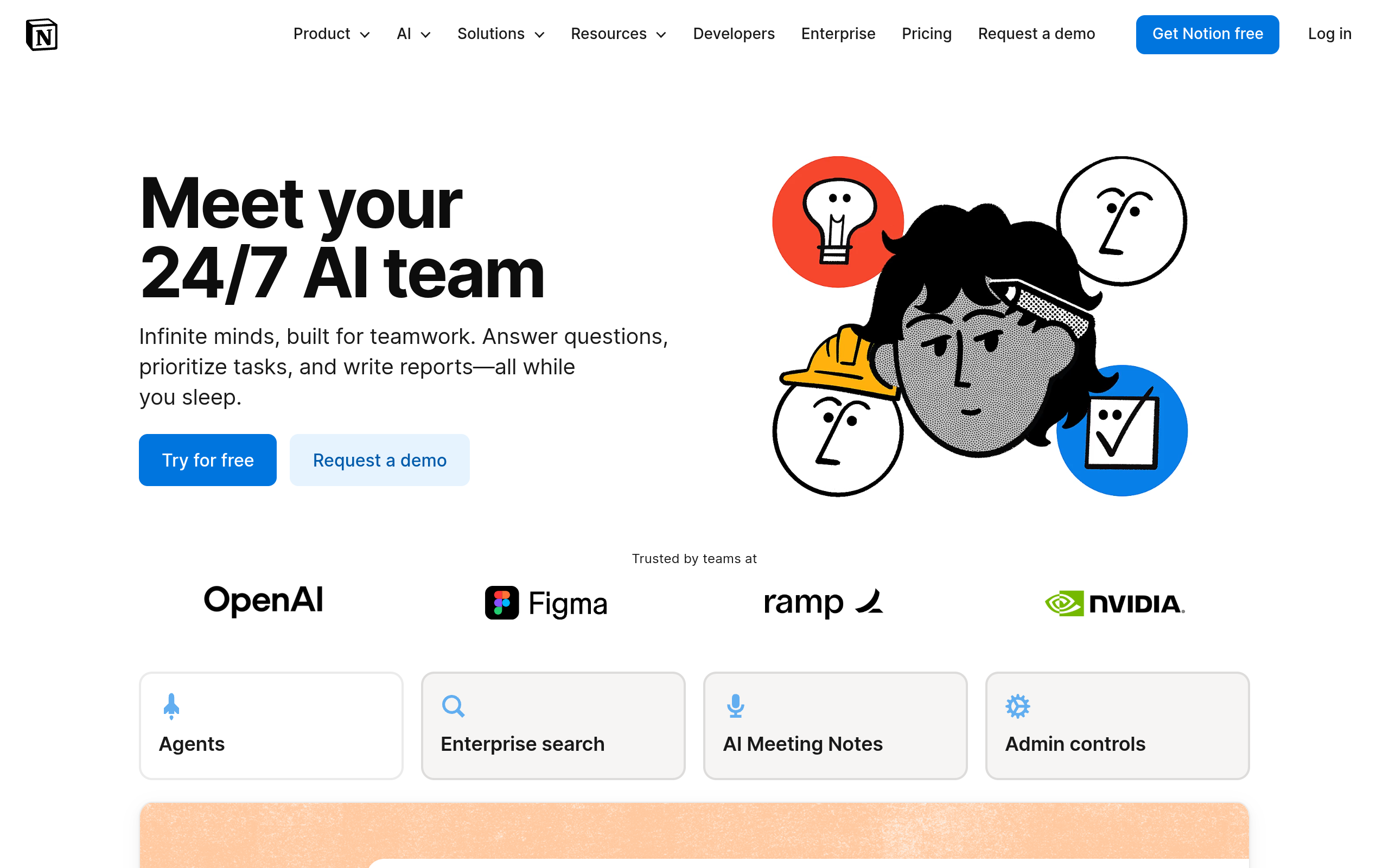
If your team already lives in Notion, the AI layer reads everything you've written. Ask "what did we decide about pricing in the Q1 planning doc" and it pulls the answer out of your own pages instead of making you scroll.
The quiet win is the 15 minutes a day every person loses hunting for a doc they know exists. Across a team of ten, that's most of a working day, every day, gone to searching. Notion AI hands a lot of it back, and it drafts your meeting notes while it's there.
6. ElevenLabs
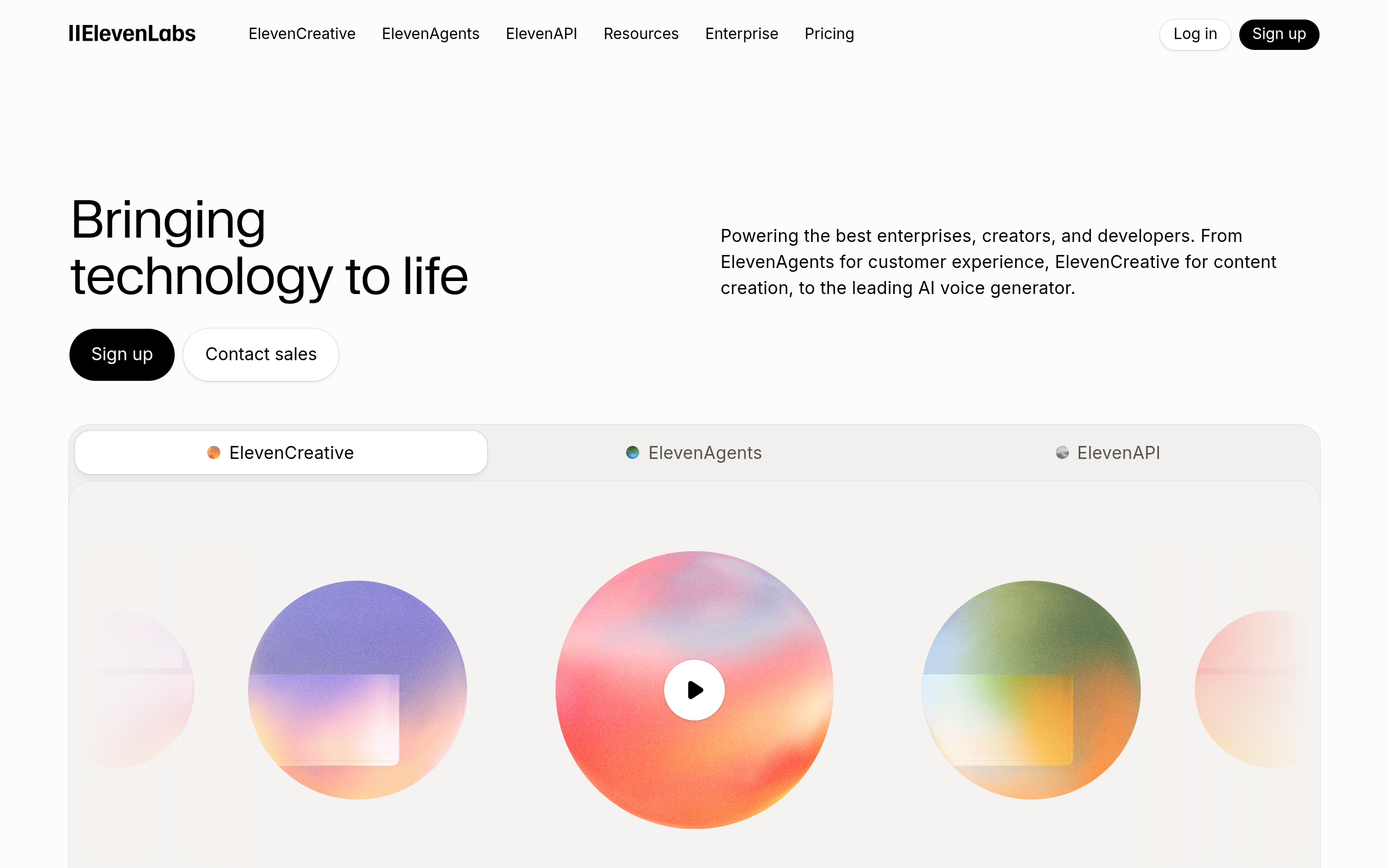
Paste a script, pick a voice, get a voiceover that sounds like a real human reading it. Then do it again in nine other languages without booking anyone.
It feels illegal because the result is genuinely broadcast quality, not the robotic text-to-speech you remember. Replaces: a voice actor and a session, which ran from €150 to €400 a video. Training clips, product explainers, ad reads, even the message on your phone line. The honest limit: for a flagship brand film you still want a human in a booth. For the daily stuff, nobody can tell.
7. Runway
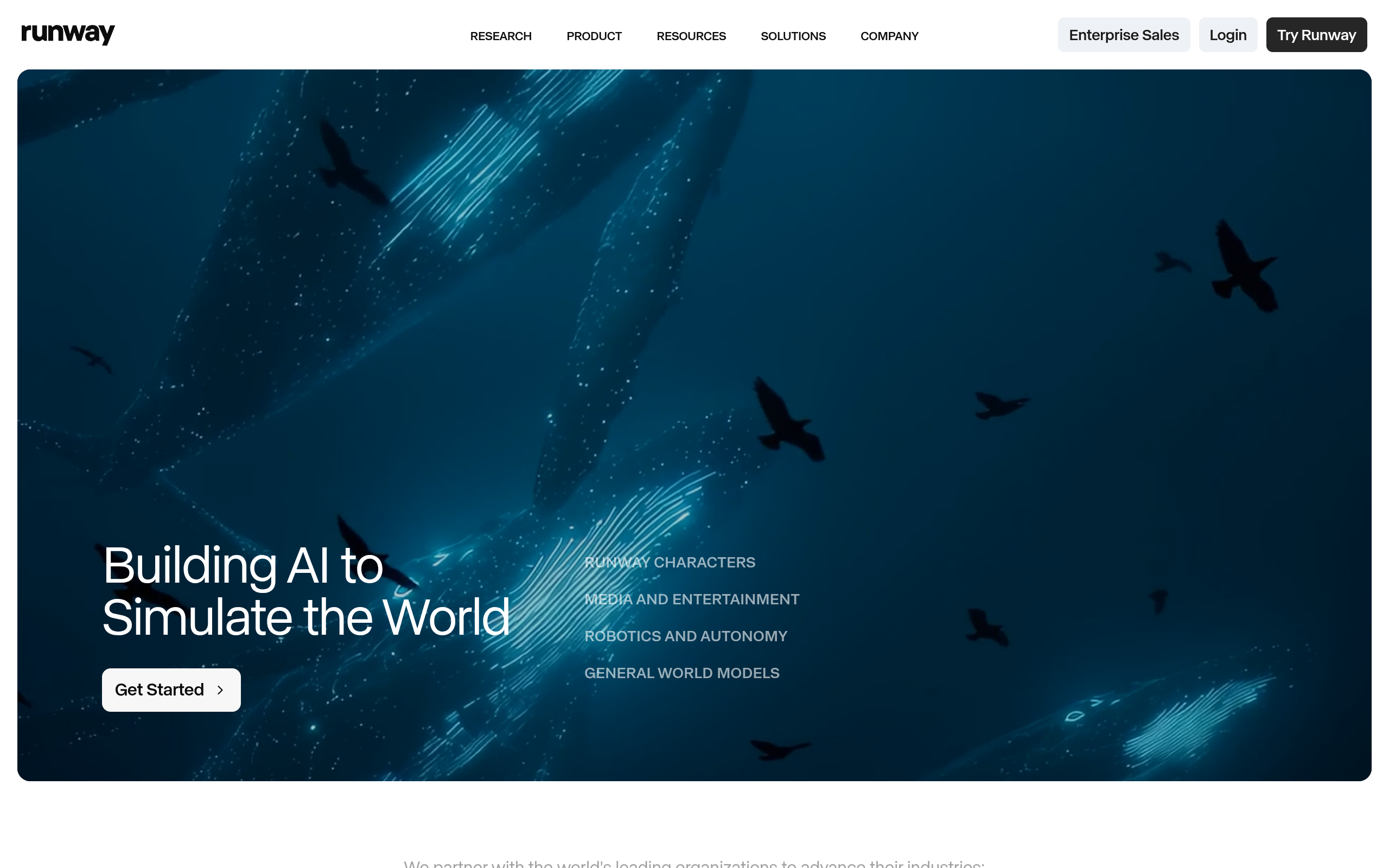
Runway makes and edits video from text and images. Describe a short product clip, or drop in a still and ask it to move, and you get usable footage without a camera, a set, or a crew.
This one comes with a real caveat, so I'll be straight about it. It shines for short, stylised clips, social cutaways, and B-roll. It is not ready to shoot your founder's keynote or a two-minute brand story on its own. Used for what it's good at, it deletes a small video shoot from your budget. Pushed past that, it shows the seams.
8. Midjourney
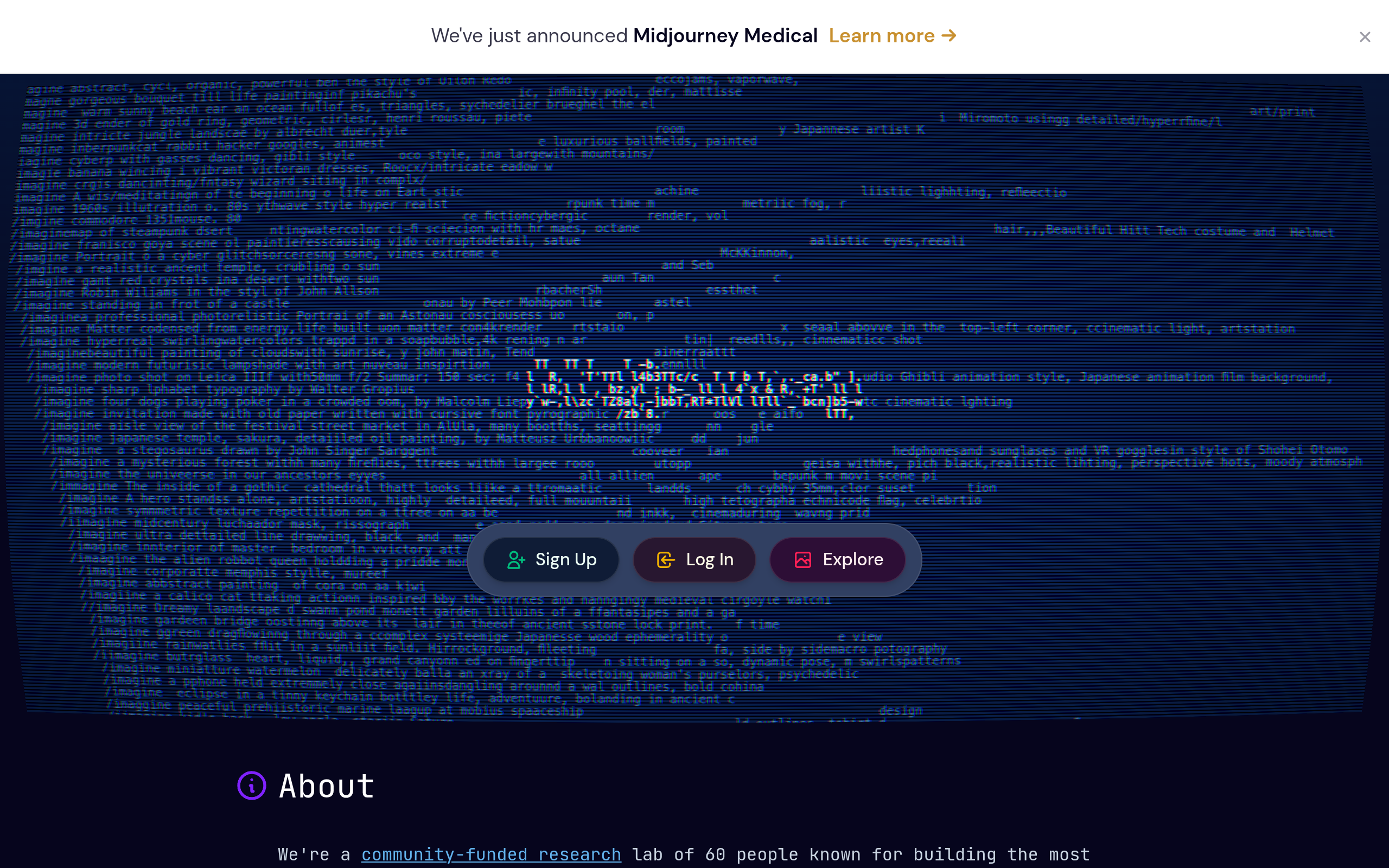
A campaign-ready image from a sentence. Midjourney still leads on sheer quality of output, and for moodboards, hero images, and concept art it's hard to beat.
The reason it feels illegal is the speed from idea to "that's the one." Replaces: stock photo subscriptions and a chunk of designer hours for visuals that don't need a photographer. The catch most lists hide: getting it consistently on-brand takes practice and a reference image, and it won't render clean text inside the picture. Treat it as a fast art director, not a press-one-button machine.
9. Canva
Canva's Magic Studio is the one your whole team can actually use. Generate an image, wipe a background, resize one post into eight formats, and brush out the thing you don't want, all without a design degree.
It's less of a magic trick than the others and more of a daily workhorse, which is exactly why it belongs here. The person who used to wait two days for a freelancer to fix a flyer now does it before lunch. For social posts, simple decks, and one-pagers, it removes the bottleneck of having one designer and ten people who need things.
10. Suno
Describe a song and Suno writes and performs it, vocals and all. A custom, royalty-free track from one sentence is the kind of thing that makes you check whether you're allowed to use it. You are.
For a business, this isn't about chart hits. It's background music for ads and social videos, a podcast intro, hold music that isn't the same tired loop. Replaces: stock-music licensing and a composer for the simple jobs. It's the most fun you'll have on this list, and the one that most clearly signals where all of this is going.
The part the viral lists leave out
Notice what every item above has in common. On its own, each one saves you minutes. Impressive, but minutes.
The companies that pull real hours out of their week do something the listicles never mention. They stop using these as websites you visit, and start using them as parts you connect.
A property tax firm we worked with was drowning in document collection. The fix wasn't one clever tool. We wired intake, validation, and chasing missing files into a single workflow that runs by itself. It now collects 215% more documents and saves the team 142 hours a week, worth roughly €185,000 a year. No one on staff opens a tool to make that happen. It just runs.
That's the jump. One AI website is a faster way to do a task. A few of them, connected to a real process, is a task that stops needing you.
What this means for your business
Pick two of these that touch a job you do every week, and you'll save yourself some real time by Friday. That's worth doing, and you should.
But the bigger gain isn't in any single tab. It's in connecting them so the work happens without anyone clicking a button. The tools are the easy part now. The advantage is in the wiring.
If you want to know which of these belong in your business, and how to wire them into something that runs without you, see the four kinds of automation we build on our solutions page. We'll show you where the real hours are hiding.